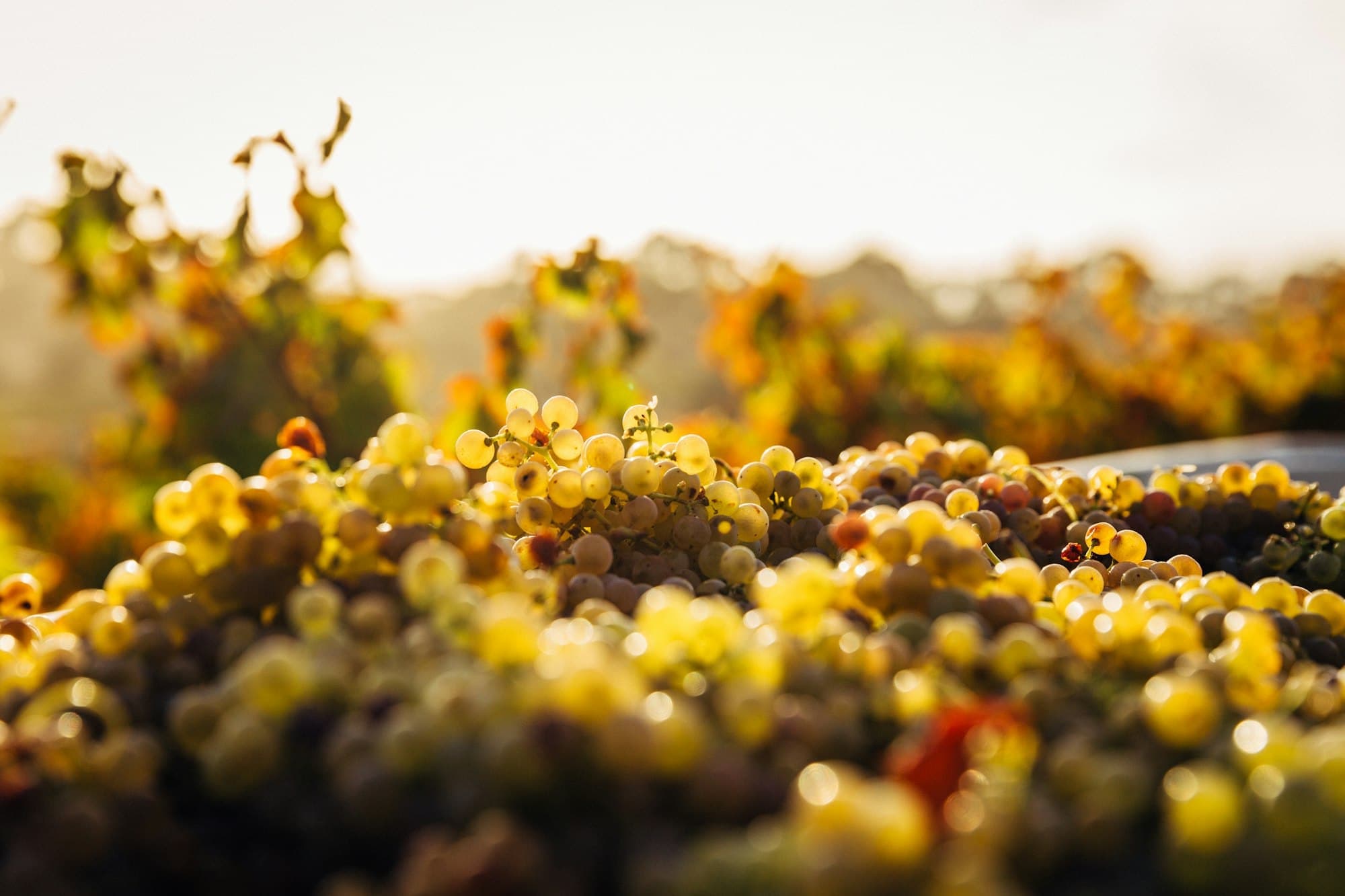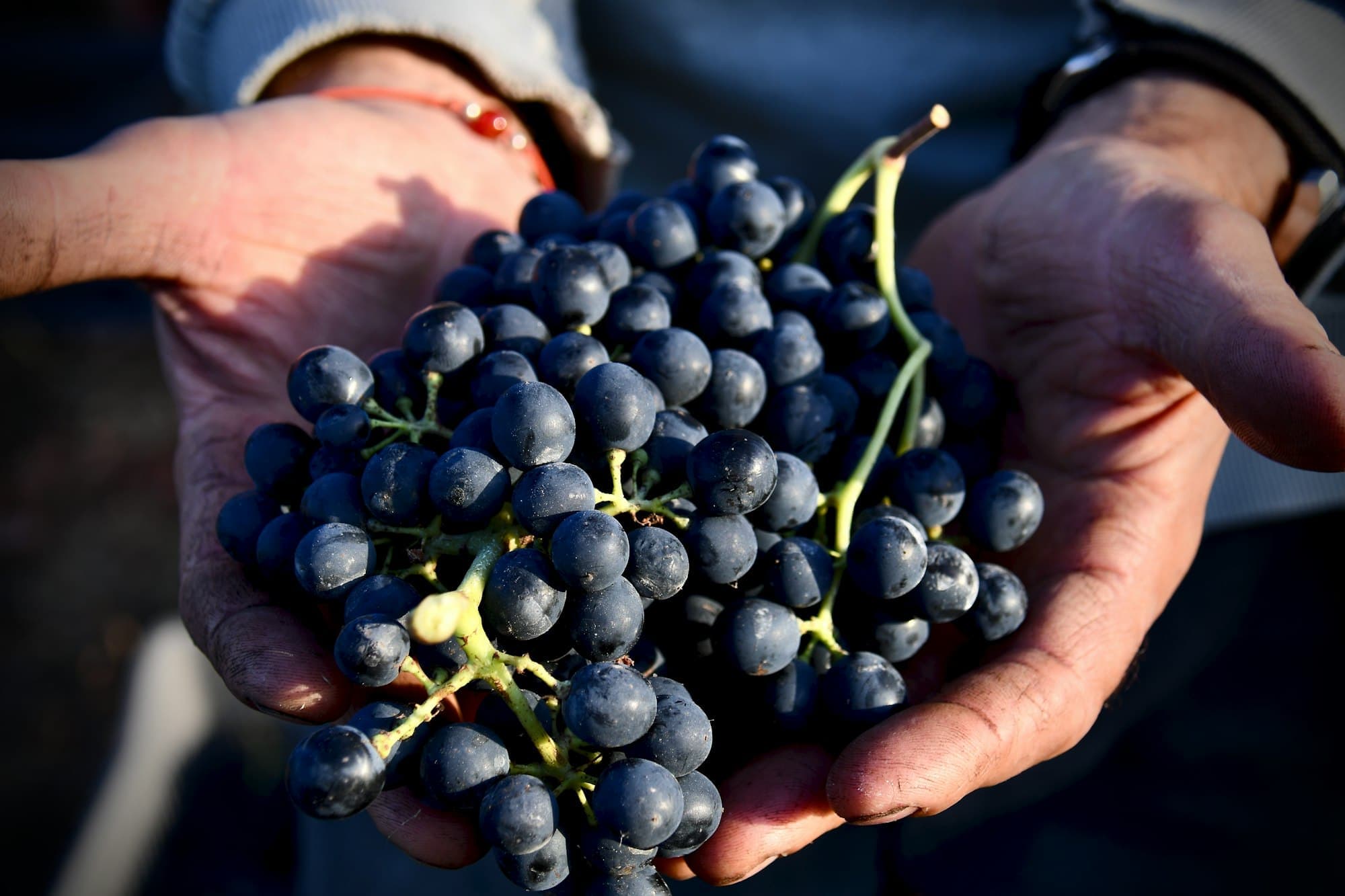
The first Graševina was picked at five in the morning on 2 September, while the grapes were still cool from the night. The last Cabernet Sauvignon reached the cellar on 9 October. In between: five weeks, about twenty pickers from the surrounding villages and not a single day of rain.
The growing season
Spring came late and wet, so flowering began a week behind the average. July and August were hot, but nights on the slope stayed cool — exactly what keeps the acidity in our whites. Late August brought 40 millimetres of rain, just what the vines needed before the final stretch of ripening.
What to expect in the glass
- Graševina: clean and fresh, with a little more fruit than last year.
- Tamjanika: intensely aromatic — a smaller crop, but better quality.
- Frankovka: juicy, with ripe tannins. It stays in large casks until spring 2027.
- Cabernet Sauvignon: for the first time since 2021, the fruit is good enough for a Reserve.
Yields were around 20 per cent below average: fewer bottles, more concentrated wines. The first 2026 whites will be released in March. Until then, you can taste them straight from the tank on a cellar visit.