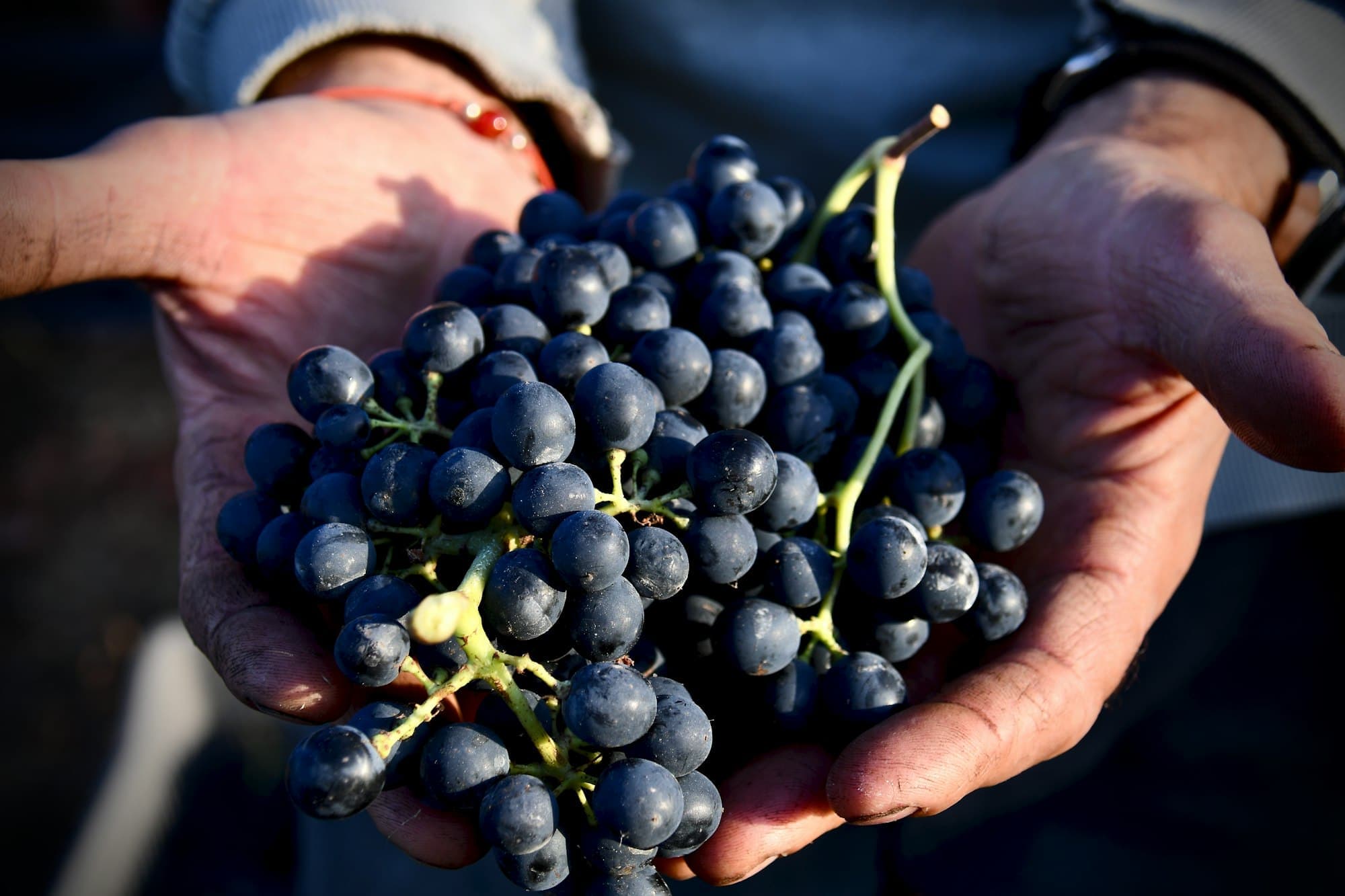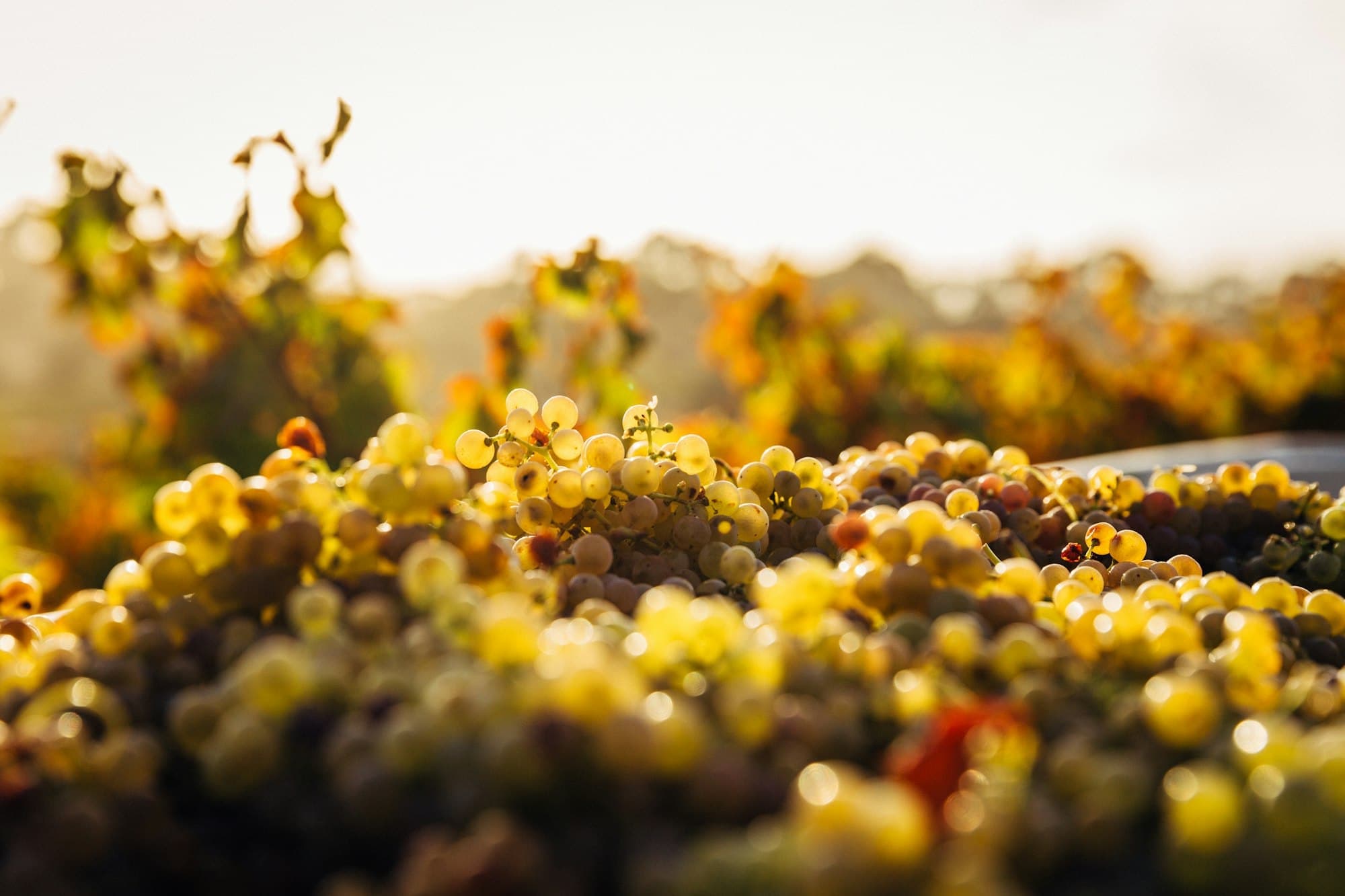
Tamjanika is the Serbian name for Muscat Blanc à Petits Grains, one of the oldest grape varieties there is. The name comes from tamjan, Serbian for frankincense — its scent recalls incense and honey. It has been grown in Serbia for centuries, mostly in Župa and on Fruška Gora.
Smells sweet, tastes dry
One sniff of Tamjanika and you expect a dessert wine: muscat, elderflower, rose, orange peel. That is why so many people are surprised by the first sip. Ours ferments fully, with no residual sugar, and has a fresh acidity that keeps the aroma in check.
How we make it
We pick by hand into small crates, early in the morning. Before pressing, the grapes rest on their skins for two hours, because that is where most of the aroma lives. Fermentation takes three weeks at 14 °C, and the wine stays in steel until bottling, with no oak.
What to drink it with
- Thai curries and dishes with ginger and lemongrass
- Fresh goat's cheese and salads with fruit
- Apple pie, if you like a contrast
Serve it cold, at 8–10 °C, in a white wine glass with a narrower rim. It is at its best within two years of the harvest, while the aroma is at its freshest.